
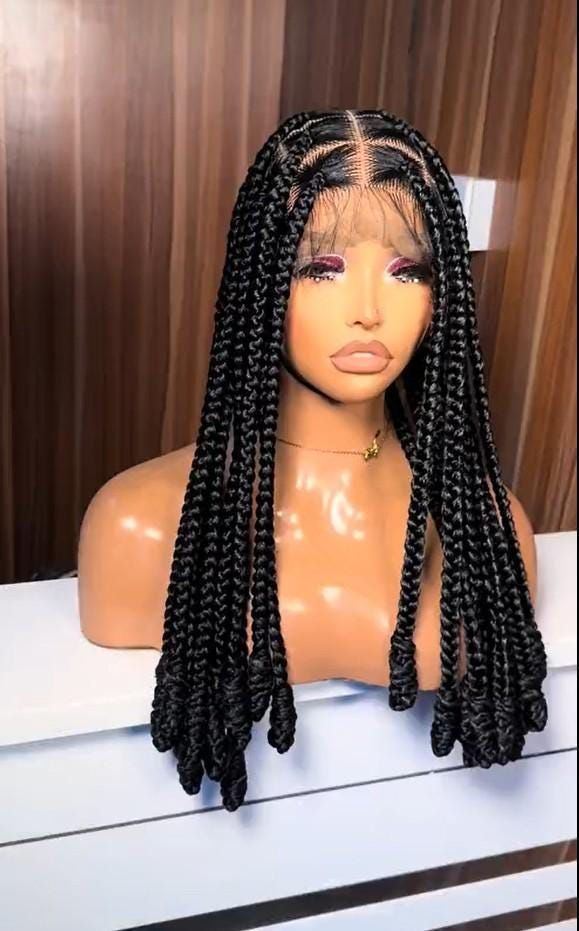
Precision Parting for Symmetrical Patterns
Perfect hair designs begin with flawless parting. Success hair braiding techniques rely on using the right tools: a metal rat-tail comb with a fine tip, successhairbraidingmd.com sectioning clips, and a handheld mirror. For straight parts, place the comb tip on the scalp and drag firmly in one continuous motion. For curved designs like hearts or spirals, draw the part with a tail comb first, then go over it with a finer comb. To create diamond, zigzag, or triangular parts, use the tip of the comb to map out the entire shape before you start braiding. Work in good lighting and part on slightly stretched hair for maximum visibility. If you struggle with symmetry, part the entire head into quadrants first, then divide each quadrant equally. These success hair braiding techniques turn messy sections into architectural masterpieces.
Feed-In Braiding for Natural-Looking Cornrows
Feed-in braiding is one of the most sought-after success hair braiding techniques for seamless cornrows. Unlike traditional cornrows that use your natural hair only, feed-ins gradually incorporate extension hair so the braid starts thin at the root and becomes thicker. Begin with a small natural hair section and make two stitches of a regular cornrow. Then take a small piece of pre-stretched extension hair, fold it in half, and feed it into one of the side strands during the next cross. Alternate feeding hair into left and right strands every 1-2 stitches. Keep the feeding pieces small – about the width of a toothpick – for the most natural look. Continue until you reach the nape, then finish with a regular three-strand braid. This technique eliminates bulky roots and creates a smooth, gradient effect that lays flat against the scalp.
Elevated Stitch Patterns: Diamond, Heart, and Triangle Designs
Moving beyond straight lines opens endless creative possibilities. For diamond part braiding, create diamond-shaped sections across the scalp using horizontal and diagonal parts. Braid each diamond individually, either toward the center or outward. For heart designs, draw a heart outline with a tail comb at the crown or nape, then cornrow inside the shape. For triangular patterns, part the hair into small equilateral triangles using three intersecting diagonal lines. Always start braiding from the point of the shape and work toward the wider end. A useful tip: draw your design on paper first, then transfer it to the scalp using a white or colored eyeliner pencil. These advanced success hair braiding techniques require patience and practice but produce jaw-dropping results that look like wearable art.
Combination Braiding: Mixing Thicknesses and Directions
Expert stylists use combination braiding to add visual interest and dimension. Try mixing thick and thin braids in the same design – for example, create four thick cornrows on one side of the head and eight micro cornrows on the other. Change directions within a single style: start cornrowing backward from the forehead, then curve the braid into a spiral, and finish going straight down. Another stunning combination is layering different braid types: use Dutch braids along the perimeter of the head and traditional three-strand braids in the middle. You can also combine braiding with other techniques like twisting or knotting within the same section. These success hair braiding techniques prevent monotony and allow you to create truly custom designs that flatter the individual’s face shape, hair density, and personal style.
Adding Embellishments Without Ruining the Design
Perfect hair designs often include decorations, but they must be applied correctly. For beads, slide them onto the end of a finished braid, then knot or burn the tip to hold them in place. For braid rings or cuffs, open the hinge, clamp over the braid at any point, and press shut tightly. For ribbons or thread, braid them directly into the hair by treating them as one of the three strands. For metallic or pearl strings, lace them through completed braids using a needle with a large eye. Never use hot glue, rubber bands that are too tight, or metal clips that can rust. Remove all embellishments before washing or sleeping to prevent tangling. These finishing success hair braiding techniques transform good braids into exceptional designs that celebrate individuality and creativity.