
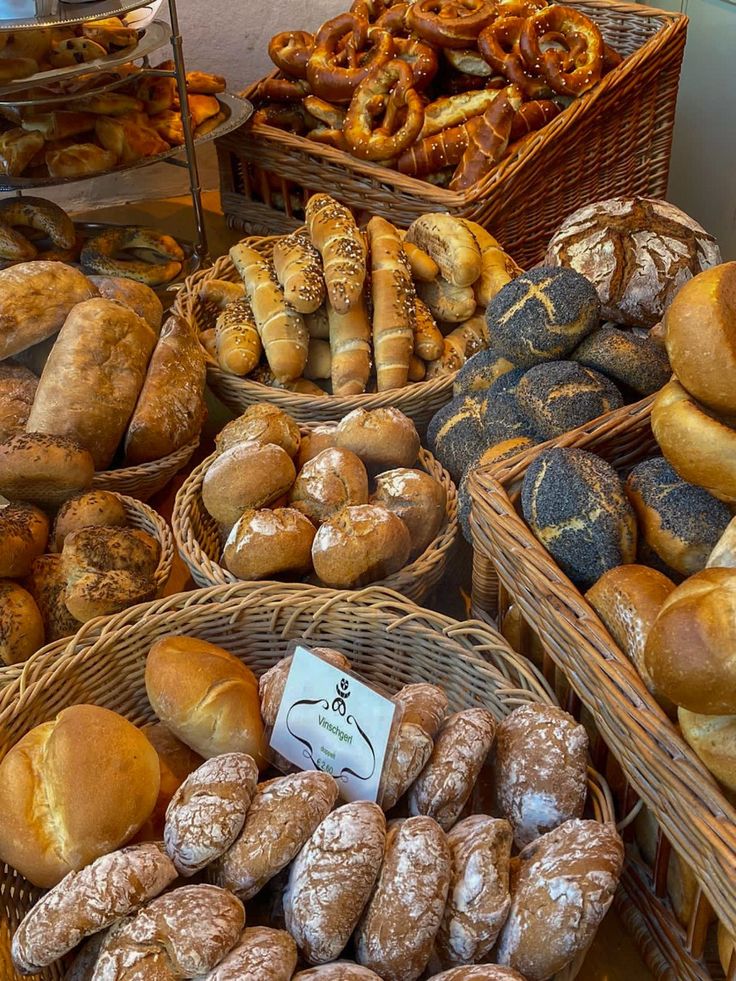
The Rise of Long-Fermentation and Sourdough Everywhere
One of the most significant bakery trends reshaping the bread industry is the return to long-fermentation methods, particularly sourdough. Unlike quick-rise commercial breads that use large amounts of industrial yeast, long-fermentation https://www.krishna-bakery.com/ relies on naturally occurring wild yeasts and bacteria. This process takes anywhere from 12 to 48 hours, allowing the dough to develop complex flavors, a chewy texture, and a crisp, dark crust. Bakers have rediscovered that patience is the secret to superior bread. Sourdough is no longer just a rustic, artisanal option; it has become the gold standard for sandwiches, toast, and even pizza crust. Many bakeries now maintain their own “starter” — a living culture of flour and water that can be decades old. This trend has also made bread more digestible for people with mild gluten sensitivities, as long fermentation breaks down gluten proteins. Consumers are willing to pay premium prices for this slow bread because they can taste the difference. The era of tasteless, fluffy white loaves is fading, replaced by tangy, hearty sourdough that demands to be eaten slowly and savored.
Ancient Grains and Nutritional Transparency
Another powerful movement is the integration of ancient grains such as spelt, einkorn, kamut, amaranth, and teff into everyday baking. These grains have remained largely unchanged for thousands of years and often contain more protein, fiber, and micronutrients than modern wheat. Bakeries are now crafting loaves that blend white flour with these nutrient-dense alternatives, producing bread that is both delicious and more healthful. Customers are becoming more educated about ingredients, asking questions like, “Is this bread made with unbleached flour?” or “Does this contain added sugar?” In response, successful bakeries are publishing detailed ingredient lists and nutritional information right on their websites or packaging. Some have gone a step further by milling their own flour on-site using stone mills, preserving the germ and bran that are typically removed in commercial milling. This farm-to-table approach to bread means that consumers can trace the grain back to a specific farm or region. Ancient grains also offer unique flavors — spelt adds a nutty sweetness, while teff brings an earthy, molasses-like note. As people seek to reduce processed foods, these heritage grains offer a satisfying alternative without sacrificing taste or texture.
Gluten-Free and Allergy-Conscious Baking
The demand for gluten-free products has exploded, but early versions were often dry, crumbly, and tasteless. Today’s bakery trends have transformed gluten-free baking into a true craft. Bakers are blending rice flour, tapioca starch, potato starch, almond flour, coconut flour, and psyllium husk to mimic the elasticity and moisture retention of gluten. Some high-end bakeries now dedicate separate kitchens entirely to gluten-free production to avoid cross-contamination. Beyond gluten, allergy-conscious bakeries are also addressing dairy, egg, nut, and soy allergies. Vegan pastries made with flax eggs, aquafaba (chickpea water), or plant-based butters are becoming standard offerings. This inclusivity means that people with dietary restrictions no longer have to watch others enjoy croissants and birthday cakes. They can walk into a modern bakery and find a dedicated case filled with treats that are safe and genuinely delicious. The trend goes beyond just replacing ingredients; it involves re-engineering recipes from the ground up to ensure the same flakiness, tenderness, and rise. As a result, even customers without allergies are choosing these products because they appreciate the innovation and clean labels.
Sustainable Packaging and Zero-Waste Baking
Environmental consciousness has finally reached the bakery industry in a meaningful way. Plastic clamshells and individually wrapped cookies are being replaced by compostable paper bags, cardboard boxes, and reusable jars. Many bakeries now offer a discount to customers who bring their own containers. But the most exciting trend is zero-waste baking, where every part of the production process is utilized. Stale bread from the day before is turned into breadcrumbs, croutons, bread pudding, or even beer. Unused fruit scraps become fillings for hand pies. Coffee grounds from the bakery’s espresso machine are mixed into chocolate cookies. Leftover croissant dough is rerolled and baked into “croissant crumbs” for topping ice cream. Some pioneering bakeries have even installed electric ovens powered by solar panels or regenerative braking systems. Water used for washing equipment is filtered and reused for cleaning floors. This sustainable mindset appeals to younger consumers who want to support businesses that align with their values. When a bakery advertises that it sends less than 5% of its waste to a landfill, customers feel good about every purchase. It also reduces operating costs over time, proving that eco-friendly practices are not just ethical but economical.
Global Flavors and Hybrid Pastries
Gone are the days when a bakery offered only white bread, whole wheat, and rye. Today’s most exciting bakeries draw inspiration from around the world, creating fusion products that defy easy categorization. Japanese milk bread, known for its pillowy softness and subtle sweetness, is now found alongside classic French baguettes. Mexican conchas (sweet bread shells) are filled with matcha cream or ube jam. The cronut — a croissant-doughnut hybrid that took New York by storm — opened the floodgates for other hybrids like the duffin (doughnut-muffin), the cruffin (croissant-muffin), and the brookie (brownie-cookie). Korean bakeries have introduced garlic cream cheese bread, a savory-sweet sensation that is glazed with sweet butter and baked again. Brazilian pão de queijo (cheese bread made with tapioca flour) has become a popular gluten-free alternative in American bakeries. Middle Eastern za’atar flatbreads and Israeli babka with halva filling are showing up on shelves next to cinnamon rolls. This global exchange of ideas means that bread lovers can taste the world without leaving their neighborhood. It also challenges bakers to continuously evolve, experimenting with spices, fillings, and shaping techniques from diverse culinary traditions. The result is a golden age for bakery innovation, where tradition meets creativity on every tray.